
Quick answer: The best hockey stick grip for most players is a chamois grip. It's thin, tacky when your hands sweat, and cheap to replace. Go for towelling if you want more cushioning or play a lot in the rain, and PU (synthetic) if you want a grip that lasts and wipes clean. Tape is for finishing a grip off, not for replacing one. Regrip when the handle feels shiny or starts to twist in your hand. That's every two to three months if you train twice a week.
A fresh grip helps every trap, drag and hit, and a worn one makes a good stick feel cheap. Here's how the types compare and how to fit one yourself.
The four types of hockey stick grip
Chamois
Chamois grips are a thin, suede-like synthetic leather wrapped in a spiral. They're the most popular choice at club level and come fitted on most mid-range and premium sticks. When your hands warm up, chamois gets tackier, which is why players who sweat a lot swear by it. It's thin, so you still feel the handle's shape and the ball coming onto the stick. Downside: it wears smooth and shiny over a season and needs replacing more often than synthetic grips.
Towelling
Towelling grips are thicker, softer and more absorbent. They cushion the jar of a hard hit, suit players with bigger hands or sore wrists, and stay grippy on a wet pitch. The trade-off is feel. The extra thickness makes the handle feel chunkier, and towelling holds moisture and dirt, so it can get heavy and grubby quickly.
PU (polyurethane) and cushion grips
PU grips work like a tennis or badminton overgrip. They're a smooth synthetic with a slightly tacky finish and often a perforated or ridged pattern. They last longer than chamois, wipe clean, and come in bright colours, so juniors love them. Cushion versions add a foam backing for comfort. On a humid night some players find PU a little slippery compared with chamois.
Tape
Plain grip tape or cloth tape isn't really a grip on its own in field hockey. It's used to finish the end of a grip, to build up the handle thickness underneath a new grip, or to protect the toe and edge of the stick.
Which grip should you choose?
- Juniors and beginners: whatever came on the stick is fine for the first season. When it wears out, a chamois grip is the cheapest and easiest upgrade.
- Sweaty hands or indoor hockey: chamois. It gets tackier as you warm up.
- Wet-weather players, bigger hands or sore wrists: towelling, or a cushion grip.
- Want it to last: PU. It won't feel quite as "connected" as chamois, but it goes a lot longer between changes.
How to regrip a hockey stick (10 minutes)
- Strip the old grip. Unwind it from the end, then peel off any tape.
- Clean the handle. Wipe off old adhesive and dirt with a damp cloth and let it dry fully. A new grip won't stick to a greasy handle.
- Start at the top. Peel back the first few centimetres of backing and fix the grip at the very end of the handle, letting a little overhang the top so you can fold it over the end cap.
- Wrap down the handle. Keep firm, even tension and overlap each turn by roughly a third of the grip's width. Too little overlap leaves gaps. Too much makes the handle bumpy.
- Finish where the handle meets the splice. Trim any excess at an angle so it sits flat. Then secure the end with two or three turns of tape.
- Check it in your hands. Hold it the way you would in a game. If you can feel a ridge or a gap, now is the time to rewrap.
On junior sticks, trim more off the end. Don't over-stretch chamois. It thins out and tears.
How often should you replace your grip?
Change it when you see any of these:
- The surface has gone shiny or smooth where your hands sit.
- The stick rotates in your hands on a hard hit or reverse stick.
- The grip has torn, lifted or started to unwind at the top.
- It smells (towelling especially).
For most club players training twice a week plus a weekend match, that's roughly every two to three months. At about £6, a new grip is the cheapest upgrade you can make to your stick.
How to hold a hockey stick properly
A good grip only helps if your hands are in the right place. Put your left hand at the very top of the handle, with the "V" between thumb and forefinger running down the back of the stick. It controls the stick's rotation. Your right hand sits lower, about a third of the way down, holding the stick loosely like a handshake. It supports and guides. Slide the right hand lower for a hit and keep them closer together for dribbling.
Our picks at YC Sports
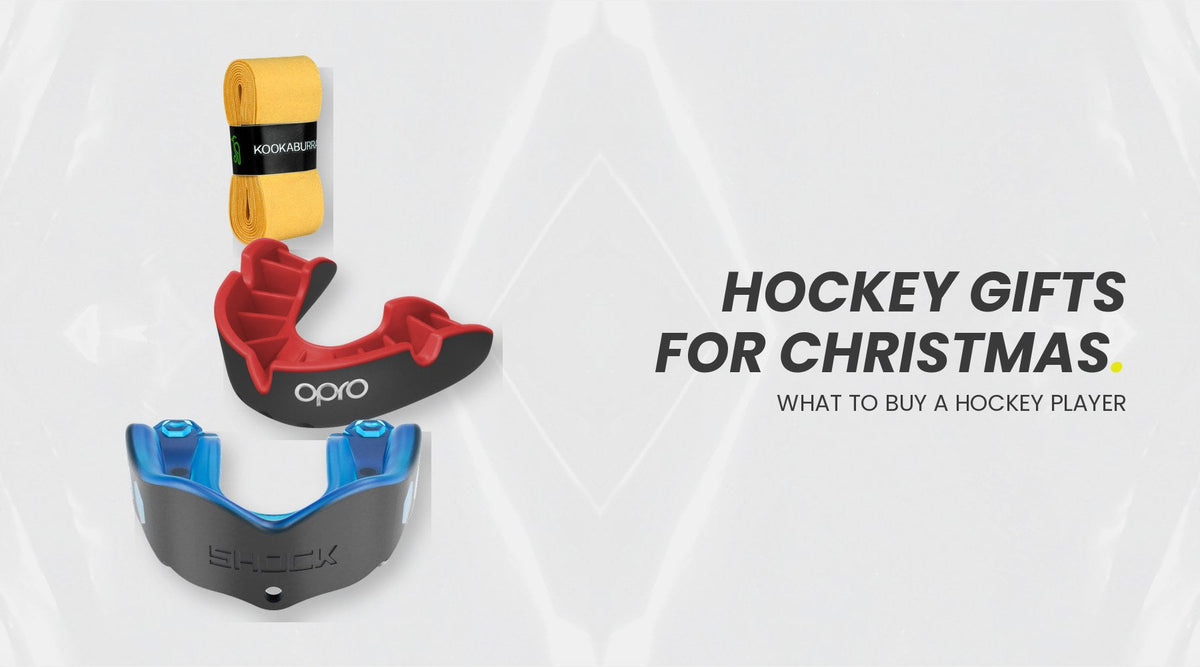
- Kookaburra Chamois Grip 6T233, £6.40. A classic chamois replacement grip in bright yellow. It's thin and tacky and fits a senior or junior stick.
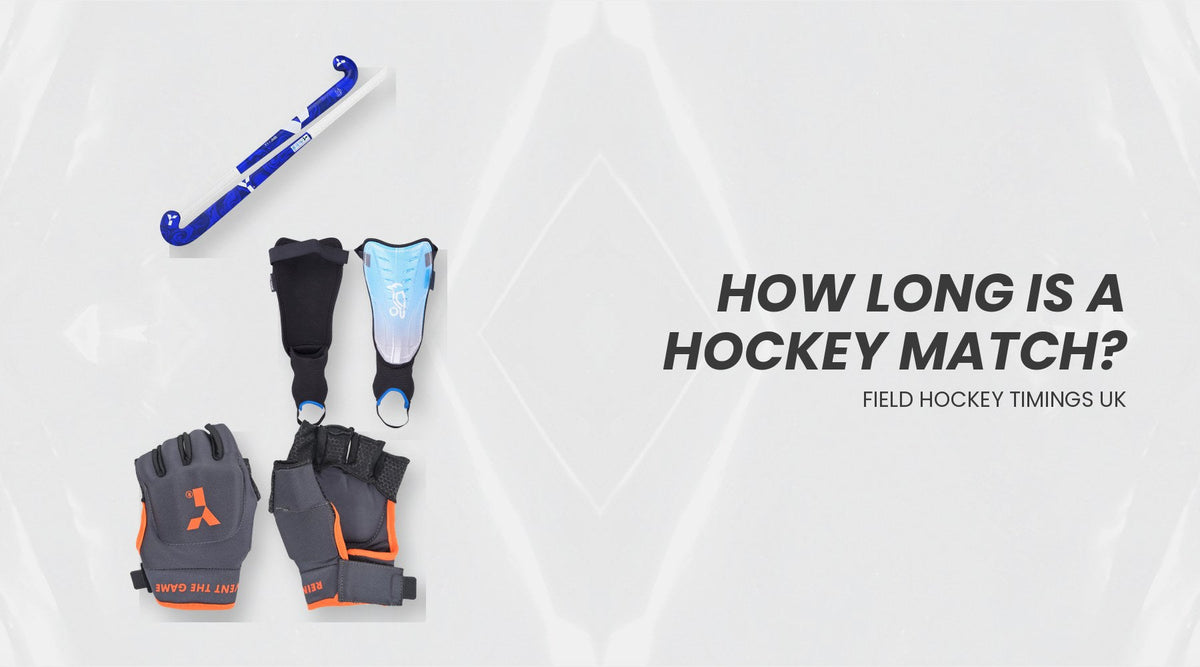
- Y1 MK PRO Shell Hockey Glove (Short), £23.99. It protects the left hand without losing feel on the grip. Sizes XS to L.
- Kookaburra Sunfire Hockey Stick, £30. A great-value junior and starter stick that comes ready gripped. Sizes 28" to 34".
- Y1 JMB Junior Hockey Stick 2026/27, £39.99. A step-up junior stick for players moving on from their first stick. 32" and 34".
- Y1 ADB 30 Hockey Stick 2026/27, £87.99. A senior composite stick for club players. 36.5".
Browse the full hockey accessories range or all hockey sticks. Not sure what length you need? Check our hockey stick size guide. For what the carbon percentage actually changes, read hockey stick carbon content explained.
Frequently asked questions
What is the best grip for a hockey stick?
For most field hockey players, chamois. It's thin, gets tackier when your hands sweat, and costs very little to replace. Towelling suits players who want more cushioning or play in the wet. PU grips last the longest.
Is hockey grip tape worth it?
As a finishing tape, yes. A few turns at the end of a new grip stops it unwinding. It's also useful under a grip to thicken a thin handle. As a full replacement for a proper grip on a field hockey stick, no. It's harder, less absorbent and less comfortable.
How do you properly grip a hockey stick?
Left hand at the top of the handle, controlling the rotation of the stick. Right hand about a third of the way down, relaxed, supporting and guiding. Move the right hand lower for hitting and keep the hands closer together for close control.
Get a better feel for £6
A worn grip is the most common reason a good hockey stick starts to feel wrong, and it's the cheapest fix there is. Pick up a new chamois grip, fit it in ten minutes, and you'll feel the difference at your next training session. Want help choosing a stick or grip? Get in touch with the YC Sports team or visit us in store in Cardiff. We've been kitting out Welsh hockey players for over 40 years.